




Polyanionic Cellulose – PAC
Polyanionic Cellulose short for PAC, It is a high quality water soluble cellulose derivative. Polyanionic Cellulose is soluble into water to form thick liquid, and it widely used in water-base drilling fluid so as to enhance the drilling fluid viscosity and control the fluid loss. Usually the sodium salt of Polyanionic Cellulose is in application and widely used in Oil & Gas well drilling, especially in salt well and offshore oil drilling.
Polyanionic Cellulose used in the fracturing fluid, Polyanionic Cellulose can efficiently carry ‘the filler’ into the cracks of well, establish the permeability pathway, which can effectively control the fluid into the well structure, reduce the fluid loss, and reduce the pressure drop. Ultra-high viscosity products can replace guar gum, reducing production costs. Polyanionic Cellulose widely used in water-base drilling fluid for a variety of applications, such as filtration control, viscosity and shale inhibition.
Key Properties and Characteristics
❖ High Performance: Offers better filtration control and salt/temperature resistance than standard carboxymethyl cellulose (CMC).
❖ Stability: Features excellent thermal stability (up to 150°C) and resistance to fermentation.
❖ Grades: Available in low viscosity (PAC LV) for fluid loss control and high viscosity (PAC HV) for viscosity enhancement.
Industrial Applications:
Oil & Gas Drilling: Used in fresh and salt water muds, work-over fluids, and completion fluids to maintain viscosity, stabilize the well-bore, and reduce fluid loss.
In Short:
PAC used as Franching Fluids, Functions is to carry proppant (fillers) into well fractures.
Packaging & Transport: Commonly available in 25 kg bags. Non-hazardous for all modes of transport
Polyanionic Cellulose Viscosity Grades:
Particulars PAC-LV PAC-HV
Presence of starch derivatives absent absent
Moisture, % ≤10 ≤10
Apparent viscosity ≤40cP ≥50cP
API Filtrate Volume ≤16mML ≤23ML
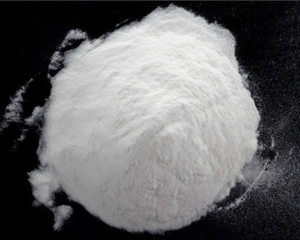
Polyanionic Cellulose (PAC) is a high-performance water-soluble polymer used in offshore oil drilling as a critical fluid-loss reducer and viscosifier in water-based muds. It stabilizes shale, improves cuttings suspension, and functions effectively in high-temperature, high-salt environments, reducing wellbore instability and improving drilling efficiency.