



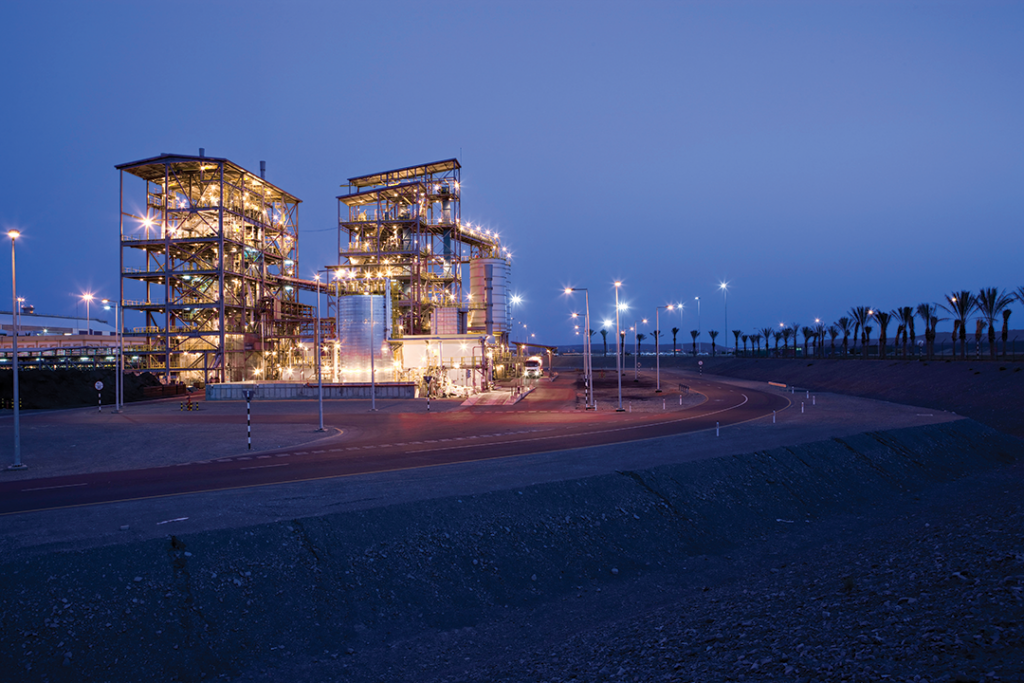

Sodium Silicate
Sodium silicate (Na₂SiO₃) often as “liquid mono silicate” is primarily used in oil well drilling as a key additive in water-based drilling fluids, especially for challenging shale formations.
Key usages includes:
❖ Shale inhibition & wellbore stabilization
Primary and most common application. Sodium silicate polymerizes /gelifies on contact with formation fluids, forming a thin, impermeable, gelatinous barrier on shale surfaces → prevents hydration, swelling, dispersion, and borehole collapse in reactive shales. Provides performance close to oil-based muds (OBM) while remaining water-based and more environmentally friendly.
❖ Lost circulation control
Seals porous or fractured formations by forming silica gel plugs or reinforcing weak zones, helping restore circulation.
❖ Fluid loss reduction
Creates low-permeability filter cakes on the wellbore wall.
❖ pH & corrosion control
Highly alkaline (pH ~11.5), helps maintain mud alkalinity and provides corrosion protection for tubulars/equipment.
Other niche uses:
Occasionally in cementing (as accelerator/extender), zonal isolation squeezes, or pre-flushes/spacers for better cement bonding.
In short: Sodium Silicate is most prominent in modern high-performance silicate-based mud systems (e.g. non dispersed polymer fluids) as a shale-inhibitive alternative to OBM in environmentally sensitive or shale-prone areas.
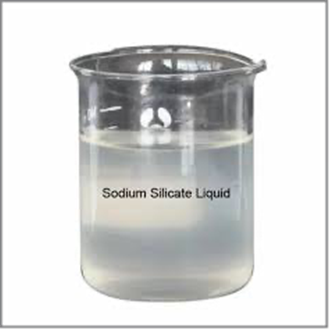
Sodium Silicate Liquid
Sodium silicate is a crucial, eco-friendly additive in the oil and gas industry, primarily used for wellbore stabilization, cement modification, and water shut-off in high-permeability zones. It acts as a shale inhibitor, sealant for lost circulation. It accelerates cement setting and enhances borehole strength